

Cosmap · Italy
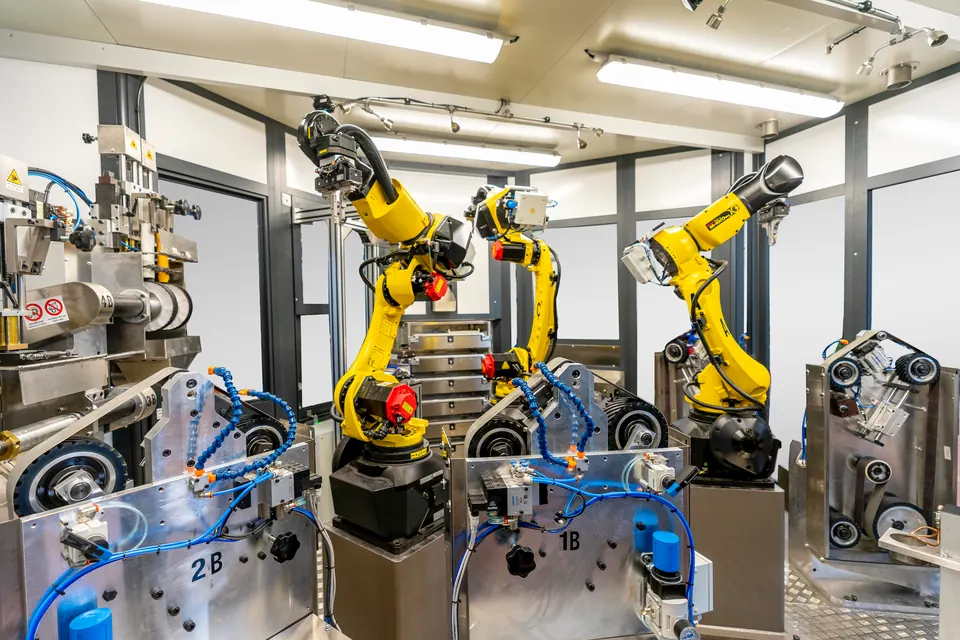
Robotic grinding and polishing cells
Robotic grinding, deburring and polishing cells, combined grinding–polishing machines and the EuSE robot line built by Cosmap.
See robotic cellsProducts
EuSE combines equipment, compounds and tools from specialist manufacturers into one consistent process – selected and tested on your own parts.

Cosmap · Italy
Robotic grinding, deburring and polishing cells, combined grinding–polishing machines and the EuSE robot line built by Cosmap.
See robotic cells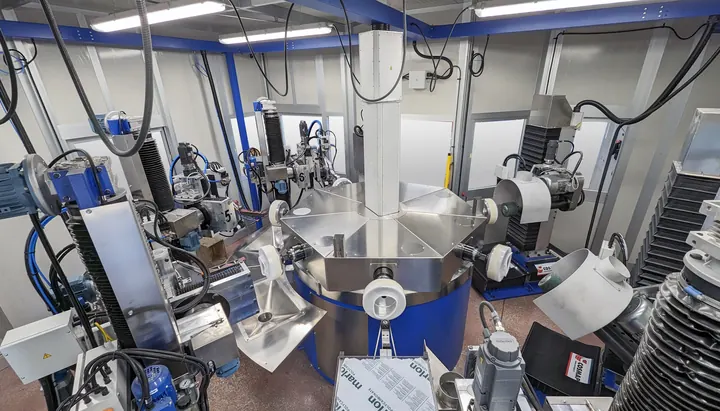
Cosmap · Italy
Indexed and continuous rotary tables, machines for sinks and tubs, flatbed machines.
See rotary tables under licence of
 A Proud Member Of

Polyasia · Europolish technology
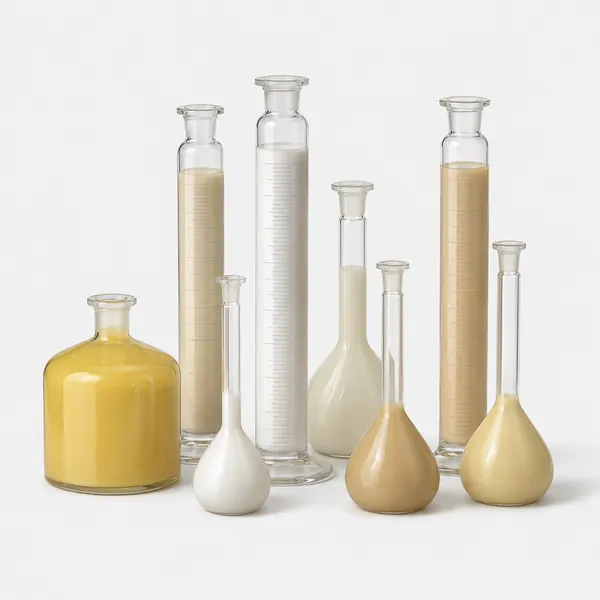
Cutting and brightening bars, liquid compounds, spray guns and pumps.
See the compounds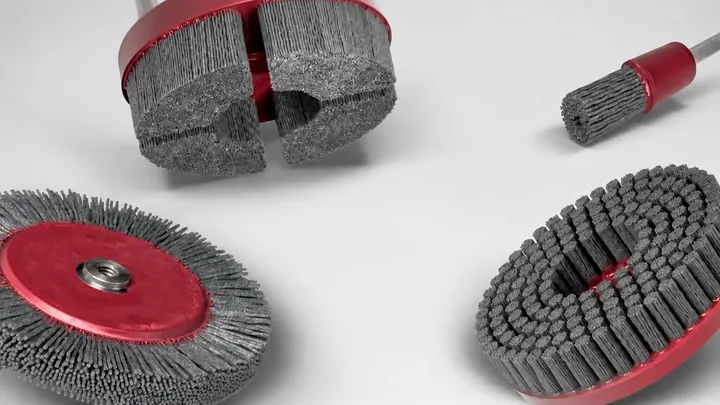
Europolish · Hilzinger-Thum
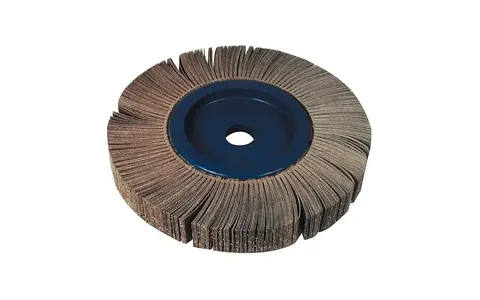
Flap wheels types B1, B2 and B3/S, and deburring brushes for outer surfaces, holes and intersections.
See flap wheels and brushesEach step removes the marks of the previous one. Get one element wrong and every following step costs more time and consumables.
Remove burrs, weld seams and surface defects.
Tools and consumablesFlap wheels, technical brushes, automatic grinding machines
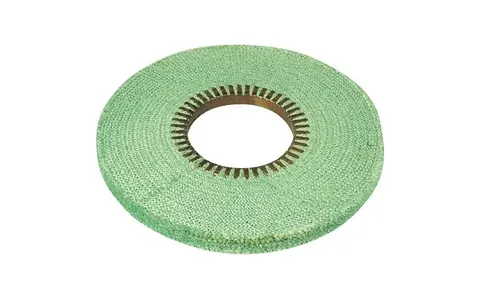
Remove grinding marks and level the surface before finishing.
Tools and consumablesSisal buffs with cutting bars or cutting liquid compounds
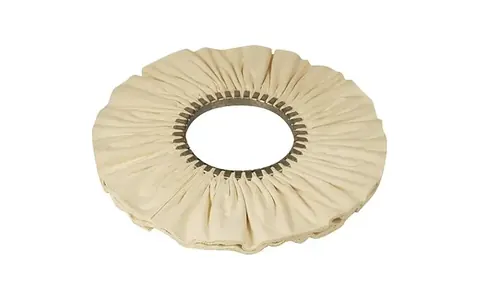
Bring the surface to high gloss or mirror finish.
Tools and consumablesCotton buffs with brightening bars or brightening liquid compounds
Send photos of the part and a short description of your current process. We will propose the best solution for your volume.